Among streaming platforms, YouTube has positioned itself since its inception as a space to showcase your projects and give your music great visibility. However, this benefit can be compromised if the content isn’t properly optimized to maximize its reach, and this is where metadata comes into play.
This term may sound overly technical, but metadata can make the difference between your music reaching a broad audience and new listeners, or getting lost in the sea of digital content; in addition to ensuring higher revenue.
What is metadata and why is it important?
Metadata, in simple terms, is the detailed information that describes and categorizes your music in the digital world. This includes the title and the artist’s name, but goes beyond that, encompassing a wide variety of essential data to identify your content and ensure it reaches the right audience.
Metadata is the information that describes and categorizes your music in the digital world
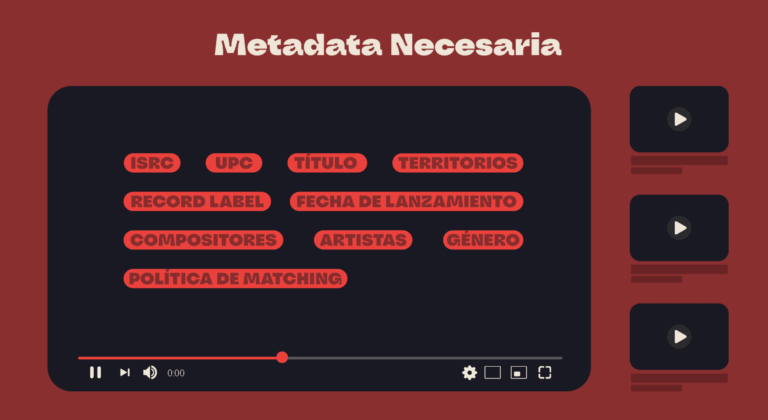
Some key elements of metadata include:
- Artist name (and collaborators, if any)
- Song title
- Description
- Album
- Musical genre
- Year of release
- Composers
- Record label
- Copyright
- ISRC
- UPC
All this information not only tells YouTube what your video is about but also allows the platform to place it in the correct categories and offer it to users based on their searches and the keywords they use.
Tip: When you have a new release, to ensure the metadata is properly integrated into YouTube’s system, we recommend uploading content at least two weeks in advance. Here are some tips for your YouTube release plan.
What are ISRC and UPC Codes?
When talking about metadata, it’s essential to mention two key codes that play a crucial role in music distribution and monetization: ISRC and UPC codes. These codes are used internationally to identify and track sound recordings.
ISRC Code (International Standard Recording Code)
The ISRC code is a unique identifier assigned to each individual recording. In other words, the ISRC is like the “ID” of a song. Moreover, each version of a recording (the original version, a remix, a live version, etc.) receives its own ISRC code.
The ISRC code is like the “ID” of a song
This code allows digital platforms like YouTube to accurately track where and how often your song has been played, ensuring that rights are correctly split and distributed. Without an ISRC, it would be nearly impossible to claim all the revenue generated by your music on streaming services.
UPC Code (Universal Product Code)
The UPC code, like the ISRC, is an identifier. The key difference between the two is that the UPC is used for a complete release, such as an album or an EP.
This code is mainly used for commerce and distribution, as it helps systems track the physical and digital sales of a specific product.
Therefore, if you release an album, it would have a UPC code, and each song would have its own ISRC.
The UPC code is used to identify the album, and ISRC codes are used to identify each song
Both the ISRC and UPC codes are essential in your music’s metadata when distributing on YouTube, as they enable the system to recognize and identify your song in any video, leading to optimized revenue.
Protection and monetization of your rights
When discussing metadata on YouTube, it’s important to remember that it is also part of the process of protecting your rights as a creator and ensuring that you receive the royalties you’re entitled to for your work.
By uploading your music to YouTube with the correct metadata, you ensure that the company managing your channel and publishing rights can claim the royalties on your songs and collect the revenue generated on the platform. To do this, YouTube uses a technology known as Content ID to identify when your music is used in UGC (User Generated Content) videos.
If the metadata is incomplete or incorrect, it is harder for Content ID to recognize your work, which means lost monetization opportunities.
Having incomplete metadata can result in lost income from Content ID claims
To ensure that Content ID recognizes and monitors the use of your songs, make sure all the information about your music is clear and complete when distributing on YouTube. From the name of the composer or composers, royalty percentages, and even the label or publisher you work with, each of these details is important to ensure that copyright is properly assigned.
You might be interested in: YouTube Content ID. The way of monetization
Improving visibility on YouTube with metadata
Metadata is the foundation for search and discovery within YouTube. YouTube’s algorithms rely heavily on this information to index your video in search results and decide to whom it should be recommended.
YouTube's algorithms rely on metadata to function properly
For example, if your song falls within the indie rock genre and you include this information correctly in your metadata, the algorithm is more likely to suggest your music to users who already listen to and search for this type of music, or include it in playlists. If the metadata is not properly configured, your music may become “invisible” and therefore harder to find.
In this sense, including keywords in the title and description such as “new song by” or “2024 release,” or “Music for” becomes crucial to attract those searching for new content and therefore, potential listeners.
You might be interested in: The role of algorithms in discovering new music
First steps to optimize metadata on YouTube
In addition to updating and including the necessary metadata to maximize your video’s revenue and protect your copyrights, metadata also exists to optimize your organic visibility on YouTube, known as SEO.
SEO (Search Engine Optimization) is a set of techniques and strategies to improve the positioning of content in search results. Within the YouTube ecosystem, SEO becomes a valuable tool to optimize our positioning on the platform.
Here are some SEO techniques to start boosting your visibility on YouTube:
- Precise and descriptive title: The title should be clear and reflect the content of the video. Include the artist’s name, song title, and if applicable, keywords such as “official video,” “lyric video,” or “cover.”
- Detailed description: The description should include a brief paragraph about the video’s content, links to social media, streaming platforms, credits, and song lyrics. It’s also recommended to add a subscription link to the channel and use keywords that describe your musical style and theme, such as “dance music,” “reggaeton,” “indie,” “music for relaxing,” etc.
- Relevant tags: Use related tags, including keywords such as the musical genre, moods, and similar artists. This helps YouTube relate your video to similar content and increases your chances of being discovered through recommendations.
- Subtitles and lyrics: Adding subtitles and lyrics not only improves accessibility but also helps YouTube’s algorithms better understand your video content, rewarding it with greater reach.
In summary, metadata is a powerful tool for musicians looking to effectively distribute their music on YouTube. It not only improves the visibility of your videos but also ensures you receive the credit and monetization you deserve for them.
Taking the time to properly optimize your video’s information can make a big difference, allowing you to add new sources of income in your professional journey.